Opening the Walls
Knocking down walls is one of the most effective ways to transform a cramped house into a spacious, open-plan home. It changes how light moves through a space, how families interact, and how a property feels day to day. But before you pick up a sledgehammer, there are several important things to consider — from structural safety to planning permissions.
Understanding load-bearing walls
The most critical step before any demolition is identifying whether the wall is load-bearing. Load-bearing walls support the weight of the floors and roof above them. Removing one without proper support can cause serious structural damage — or worse, a collapse. A structural engineer or experienced builder can tell you whether a wall is load-bearing and what support measures, such as a steel RSJ beam, will be needed to replace it.
Do you need planning permission?
In most cases, internal wall removal falls under permitted development rights in the UK, meaning you won't need formal planning permission. However, if you live in a listed building or a conservation area, different rules apply and you may need consent before carrying out any structural work. It's always worth checking with your local planning authority before you begin. Even where planning permission isn't required, you'll likely need to notify building control and have the work signed off once it's complete.
The cost of knocking down a wall
Costs vary depending on the size of the wall, whether it's load-bearing, and the amount of finishing work required afterwards. Removing a non-load-bearing wall typically costs between £1,000 and £2,000, while a load-bearing wall — which requires a structural beam and additional labour — can run anywhere from £3,000 to £7,000 or more. You'll also need to factor in replastering, redecorating, and potentially relocating any electrics or plumbing that run through the wall.
Hiring the right professionals
Wall removal is not a DIY job for most homeowners. Hiring a qualified structural engineer and a reputable builder ensures the work is done safely and to the correct standard. Always ask for references, check that your contractor is insured, and get at least three quotes before committing. If the work involves electrics or gas pipes, you'll need certified tradespeople to carry out that element of the project separately.
The benefits of an open-plan layout
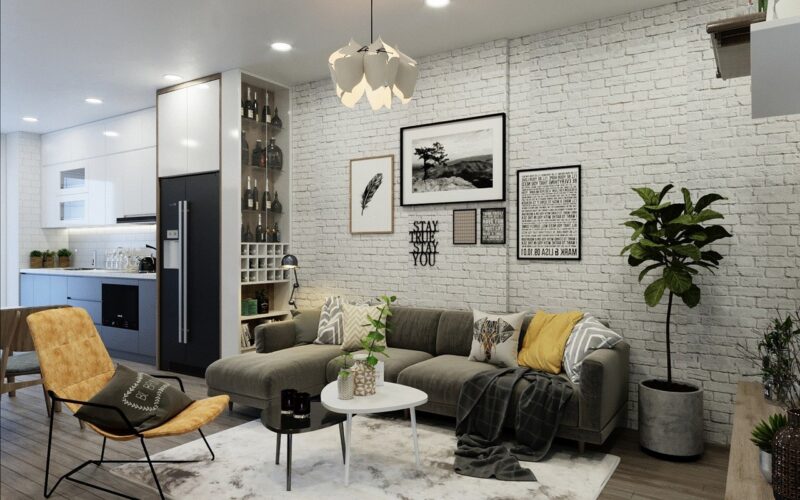
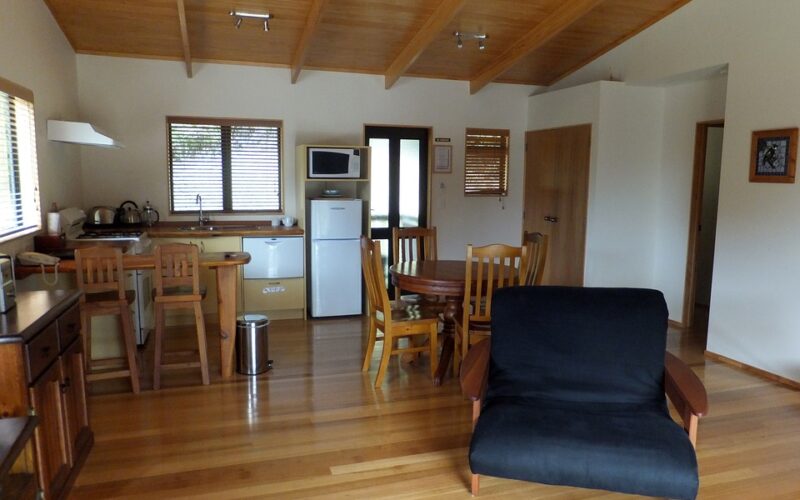
Once the dust settles, the results can be remarkable. Removing a wall between a kitchen and dining room, for example, creates a sociable, multifunctional space that suits modern family life. Natural light can reach deeper into the home, rooms feel larger, and the overall flow of the property improves considerably. Open-plan living has also been shown to add value to a property, making it a worthwhile investment for many homeowners.
Making the most of your new space
With the wall gone, thoughtful interior design becomes even more important. Zoning — the practice of defining different areas within an open space using rugs, lighting, or furniture arrangement — helps maintain a sense of order without the need for physical dividers. Choosing a cohesive colour palette and consistent flooring throughout the newly opened space will also help everything feel unified rather than disjointed.